AI
Clash of the Titans
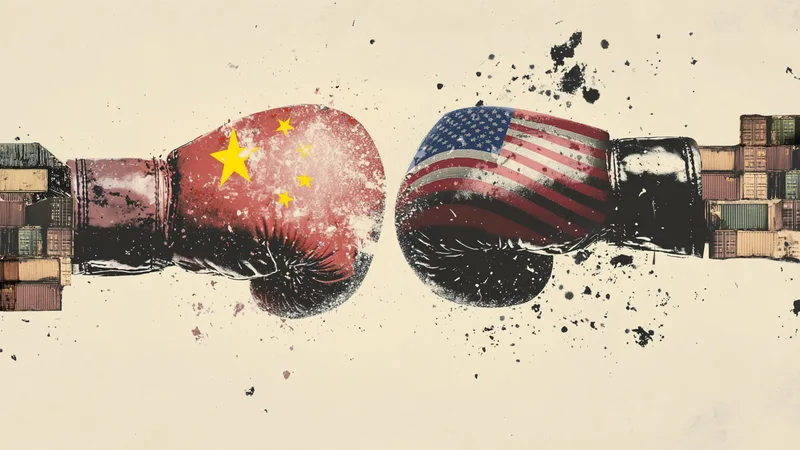
The invisible wall between global superpowers just grew ten feet higher today as Washington slammed the door on foreign validation labs fracturing the electronic trade route. Beijing struck back instantly placing a tight case by case chokehold on drone parts flying West forcing domestic factories to rapidly reinvent their entire supply chains. Local tech ecosystems stand to gain massive independence and long term security by reclaiming their roots and keeping infrastructure safely insulated from foreign interference. Yet, the immediate price tag will be paid in severe component delays, narrower product choices, and spiking costs that threaten to run smaller electronics factories completely out of business. A heavily divided tech world inevitably means innovation moves slower when we stop sharing blueprints, trading data, and utilizing a universally accepted certification network.
Why it matters: Trade restrictions on validation labs and drone parts signal that supply chain fragmentation is now a permanent feature of electronics development. Engineers must plan for duplicative certification processes and divergent technical standards across geographies, increasing complexity and time-to-market for globally distributed products.
Smaller electronics manufacturers face immediate pressure from component delays, higher costs, and supply uncertainty, which may force consolidation and reduce opportunities for independent hardware startups. Larger companies have resources to maintain parallel supply chains but bear significant operational complexity.
- Publisher
- DeftMove Blog
- Regions
- US, China
Comments
No comments yet
Log in to join the conversation. Members comment with a username; your email is never shown. Read the community rules.