AI
Meta’s $25 Billion Lawsuit
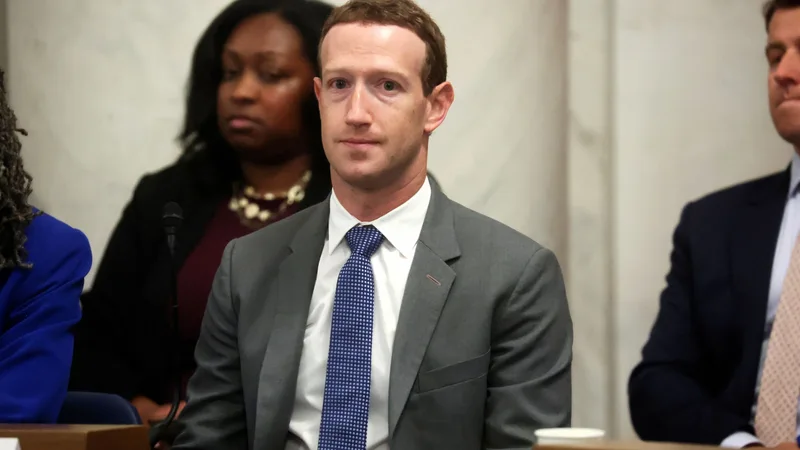
A historic lawsuit came to a huge, multi billion dollar climax today as a courtroom in New Mexico handed down one of the largest corporate punishments in human history. In ruling that has completely stunned Silicon Valley, a judge ordered Meta to pay $25 billion penalty for widespread consumer protection violations linked to past data privacy scandals. This massive financial blow has immediately caused Meta's stock to drop fast, creating intense panic among investors. This ruling stands as an ultimate victory for data privacy, showing tech giants that they can no longer treat user trust as a minor cost of doing business. However, the financial shockwave it creates will likely force Meta to freeze hiring, lay off workers, and cut funding for future research projects. Meta’s Chief Officer C.J. Mahoney fought back, publicly slamming the state's evidence as outdated and declaring that the company is highly confident it will win on appeal. Legal experts note Meta has a strong basis to slash the giant penalty because the American Supreme Court strictly limits excessive punishments.
Why it matters: Founders and engineering leaders should take note that the regulatory and legal landscape around data privacy is shifting dramatically. While the outcome may face appeal, the ruling signals that courts are willing to impose substantial penalties on technology companies, which will likely reshape how companies budget for privacy compliance and data handling infrastructure.
This case demonstrates that privacy violations carry real business consequences beyond reputation damage. Companies storing or processing user data should review their privacy practices, consent mechanisms, and data retention policies now, as similar enforcement actions could follow. The penalty's scale also suggests that investors and boards are increasingly treating data privacy as a material business risk, not a compliance checkbox.
- Publisher
- DeftMove Blog
- Region
- US
Comments
No comments yet
Log in to join the conversation. Members comment with a username; your email is never shown. Read the community rules.