AI
Microsoft cuts the cord
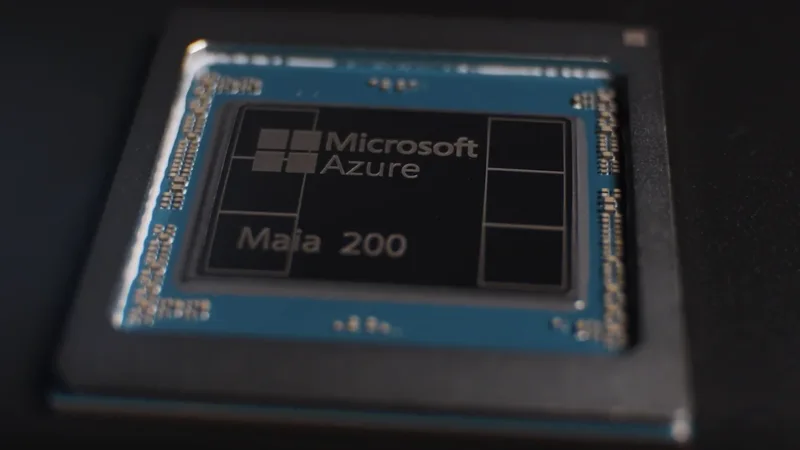
Microsoft has introduced its third generation custom accelerator built on a cutting edge 2-nanometer architecture to anchor its sprawling cloud networks. Engineering this highly specialized physical hardware allows the tech giant to break free from outside manufacturing vendors and radically slash its day to day operational budgets. Constructing their own targeted processing systems ensures that everyday consumer utility tools function at lightning speed, while achieving this microscopic manufacturing milestone marks a historic leap forward in baseline efficiency by pulling incredible computing output from a minimal energy draw. However, pouring billions into customized physical infrastructure exposes the company to intense financial strain if software requirements suddenly shift away from this specific setup leaving them anchored to incredibly expensive, unalterable hardware arrays.
Why it matters: Microsoft's third-generation custom accelerator on 2-nanometer architecture represents a shift toward vertical integration that reduces cloud operational costs and latency. Engineers benefit from faster inference and training on Microsoft's platform, but this investment signal shows the competitive pressure pushing cloud providers toward hardware customization.
The risk is substantial capital allocation to silicon that may not adapt if AI workload patterns shift significantly. Developers should understand that cloud providers are now betting billions on specific hardware configurations, which could constrain architectural flexibility if requirements evolve unexpectedly.
- Publisher
- DeftMove Blog
- Region
- US
Comments
No comments yet
Log in to join the conversation. Members comment with a username; your email is never shown. Read the community rules.