AI
The Pacific Shield
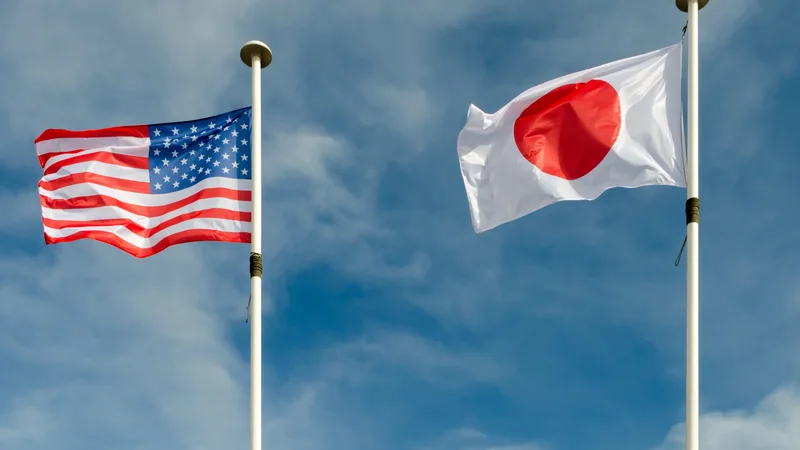
A historic alliance has just been forged across the ocean as two sovereign superpowers finalized a monumental $21 billion pact to construct massive semiconductor facilities on domestic shores. To secure this deal, the federal government is even stepping in to claim a direct 4% ownership stake in the reigning manufacturer. This collaboration injects an ocean of capital to guarantee that automotive, industrial automation, and connected networks are completely shielded from critical supply shortages. It accelerates industrial independence, providing a safe haven of high paying tech jobs while locking down a trusted, localized manufacturing footprint. On the downside, the sheer scale of building twin massive fabrication complexes creates an immense, multi year construction bottleneck before a single wafer actually rolls off the assembly line. It also heavily relies on foreign funding and alignment tying the vital future of chip self sufficiency directly to the volatile unpredictable waves of international trade politics.
Why it matters: The $21 billion domestic semiconductor manufacturing agreement provides long-term supply security for automotive and industrial automation applications, but engineers should expect a multi-year construction delay before new capacity comes online. Planning for near-term production timelines requires working within current supply constraints.
The government equity stake introduces new variables around policy influence on semiconductor manufacturing priorities, which may affect which products receive production priority and how technical decisions balance commercial viability with strategic objectives.
- Publisher
- DeftMove Blog
- Regions
- US, Asia
Comments
No comments yet
Log in to join the conversation. Members comment with a username; your email is never shown. Read the community rules.